We ensure reliable underground systems for safe water flow and waste management.
- Excavation & Trenching – digging and preparing the ground to install or repair sewer lines.
- Pipe Installation – laying new sewer pipes for proper wastewater flow.
- Repairs & Replacements – fixing damaged or aging pipelines to prevent leaks or blockage.
- Connections – linking sewer systems to municipal lines, buildings, or manholes.
- Inspection & Testing – ensuring the system is sealed, functional, and up to code.
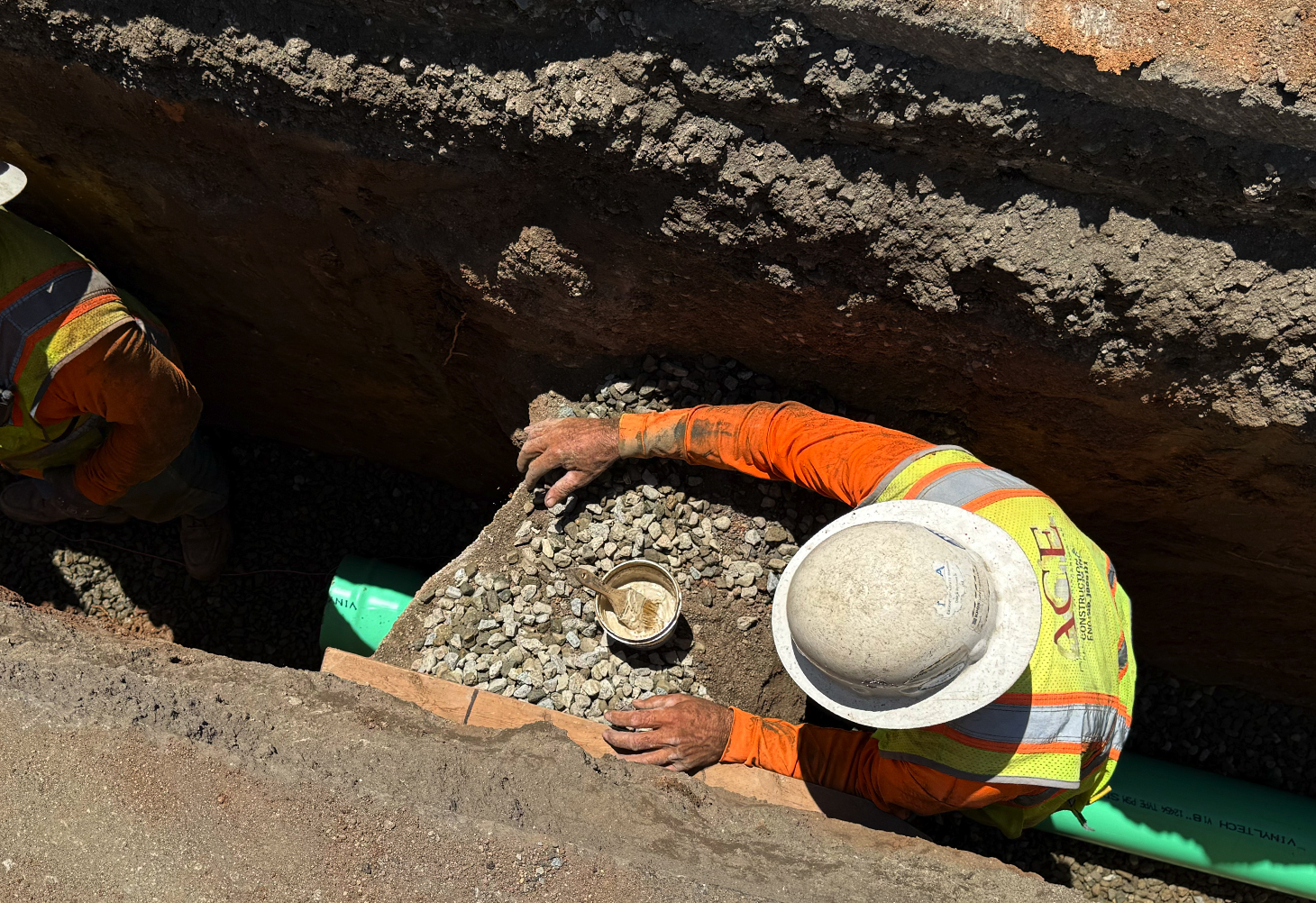
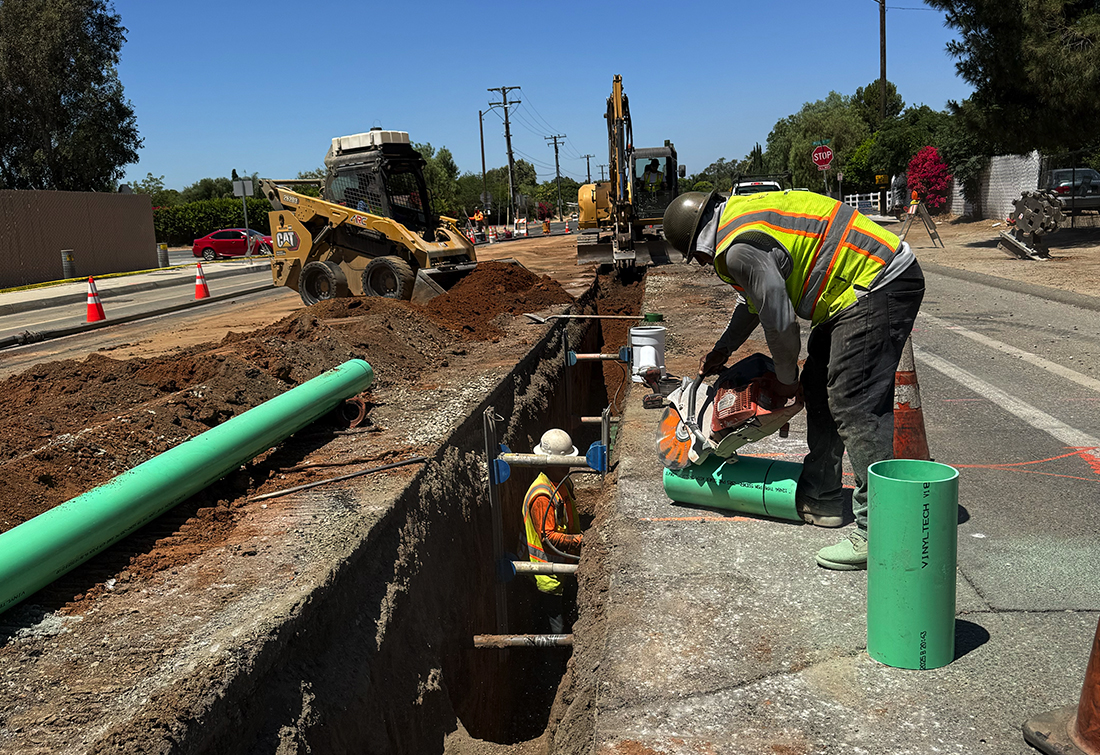
Sewer and underground sewage systems are vital components of modern infrastructure, designed to safely collect, transport, and treat wastewater from homes, businesses, and industrial facilities. These systems begin with a network of pipes and drains that capture sewage from buildings and streets, directing it away from populated areas. The sewage then flows through underground pipelines, often using gravity or pumps, to centralized treatment facilities where it undergoes physical, chemical, and biological processes to remove contaminants. Underground systems also include manholes, junctions, and inspection points to allow for maintenance, repairs, and monitoring of the network. Properly designed sewer systems prevent flooding, contamination, and health hazards, protecting communities and the environment. Regular inspection, cleaning, and upgrades are essential to maintain efficiency, prevent blockages, and comply with environmental regulations. From residential neighborhoods to large industrial areas, sewer and underground sewage systems form the backbone of sanitation infrastructure, ensuring safe and reliable wastewater management for urban and rural communities alike.