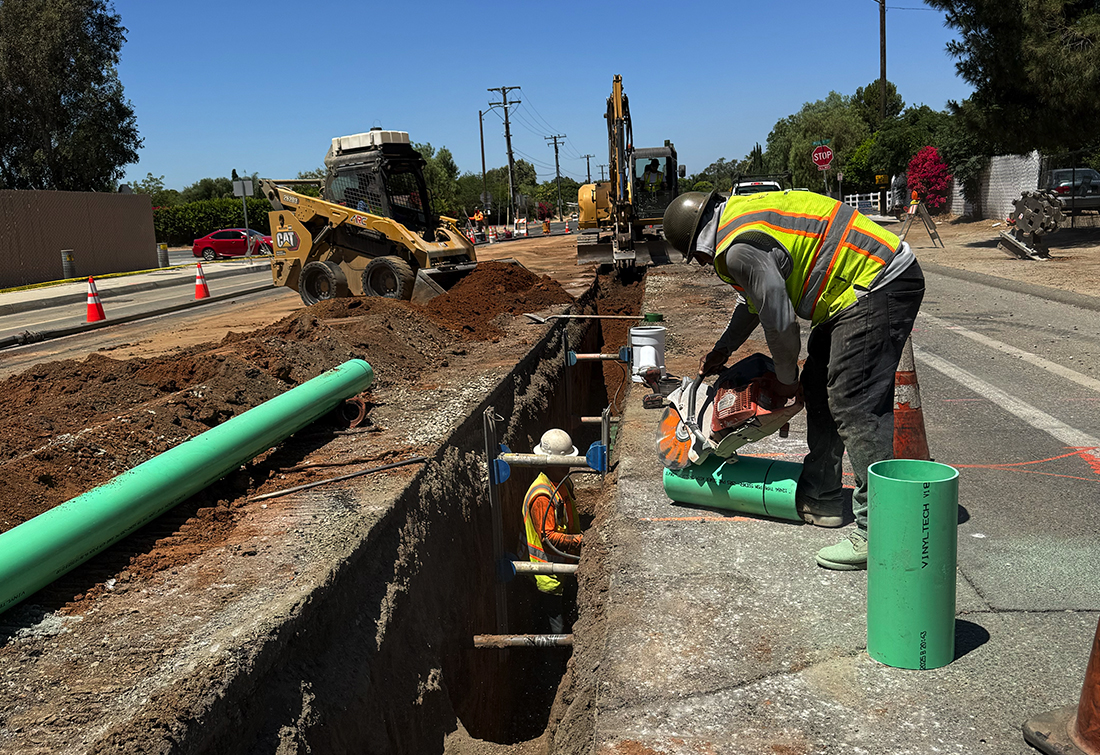
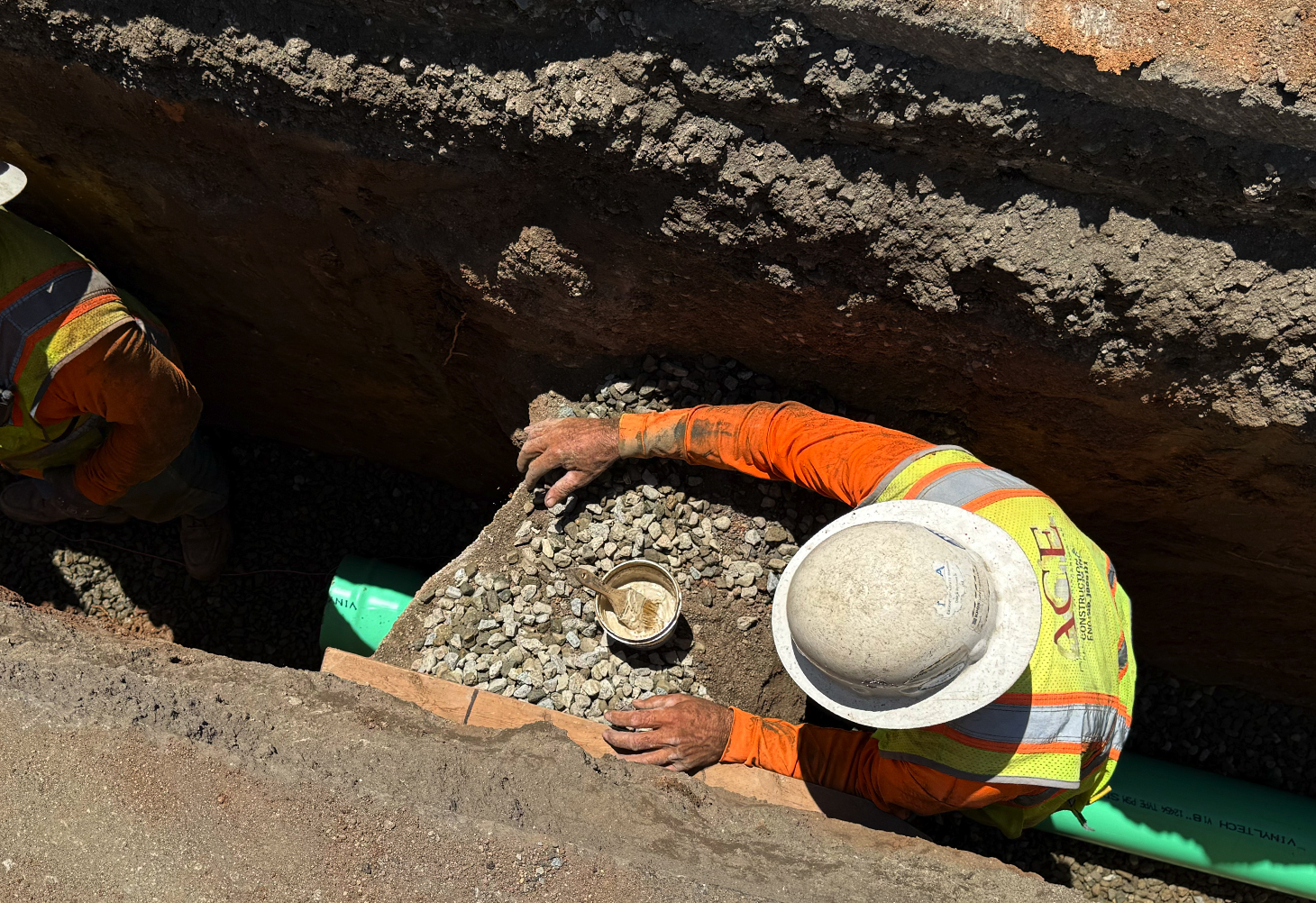
Storm drainage systems manage and direct rainwater run-off to prevent flooding and protect infrastructure.
Storm drainage systems are essential infrastructure designed to manage and control rainwater runoff, protecting communities, roads, and buildings from flooding and water damage. These systems begin with the collection of stormwater from streets, parking lots, rooftops, and other impervious surfaces through inlets, grates, and catch basins. The collected water is then conveyed via underground pipes, culverts, channels, and drains to prevent accumulation in vulnerable areas. In many cases, stormwater is temporarily stored in detention or retention basins, tanks, or ponds to control flow rates during heavy rainfall events. Modern systems often include treatment components such as sediment traps, filters, or vegetated swales to remove debris, pollutants, and sediments before the water is released. Finally, the discharge process safely directs treated stormwater into rivers, lakes, or municipal drainage networks, reducing erosion, environmental impact, and the risk of urban flooding. Proper design, regular inspection, and maintenance are crucial to ensure these systems function efficiently, handle varying rainfall events, and comply with local regulations. Storm drainage systems are a critical part of urban planning and civil engineering, safeguarding public safety and preserving infrastructure integrity.
- Collection – capturing rainwater from streets, roofs, and other surfaces.
- Conveyance – directing water through pipes, channels, or culverts to safe locations.
- Storage – temporarily holding excess runoff in detention or retention basins.
- Treatment – removing debris and pollutants before water enters natural waterways.